What Comes Out of the Ground in Israel
Reporting from Jerusalem, I reflect on ancient pottery, looted sites, and what archaeologist Dr. Eitan Klein taught me about the history beneath our feet.
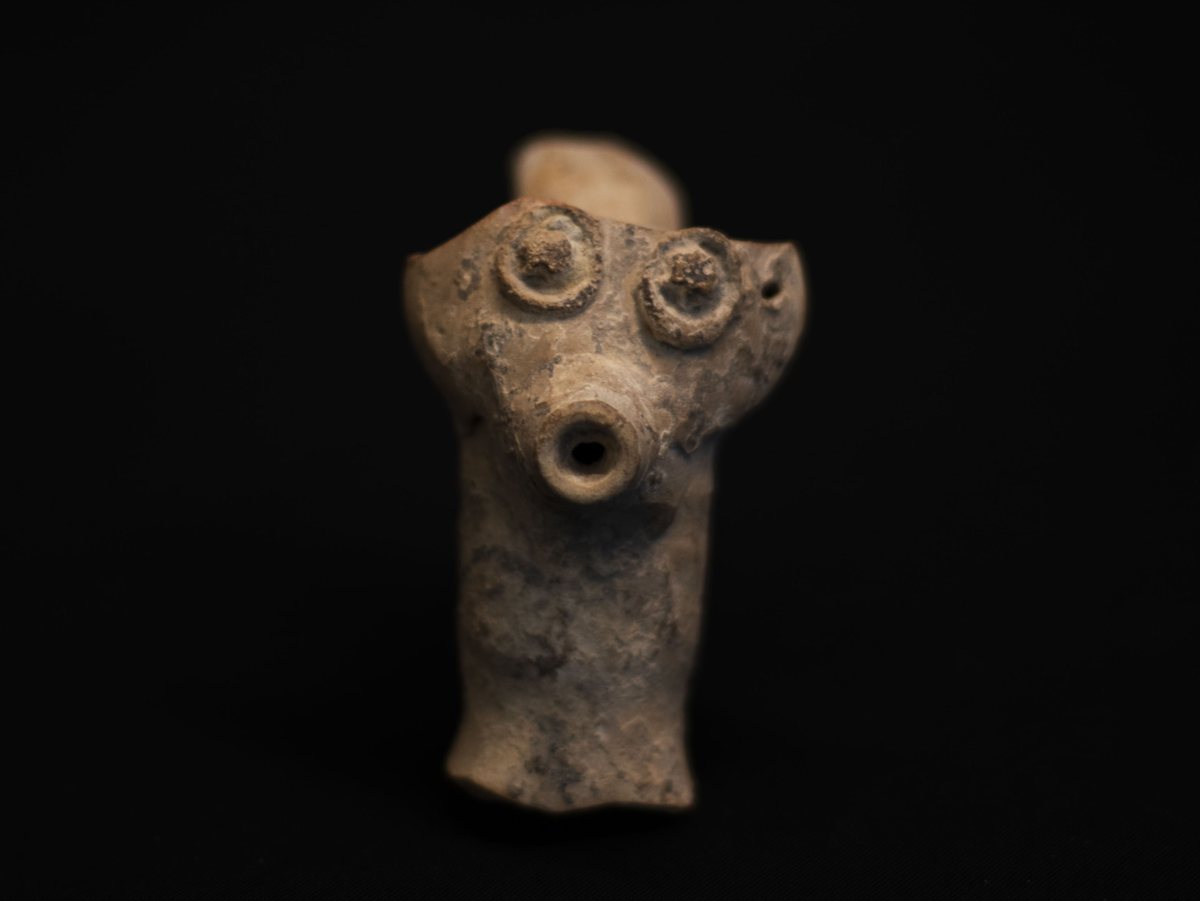
“This doesn’t look like an archaeological site,” I told Dr. Eitan Klein.
We were on the slopes of Mount Scopus in Jerusalem, standing where his team from the Israel Antiquities Authority had caught looters. Klein showed me a piece of pottery. He said he was almost positive it dated to the Second Temple period.
I’d been looking at the hillside. He was looking at a piece of Jerusalem’s history lying right in front of us.
I don’t think I’ll ever get used to that. You can spend years reading about the world of the Bible, and then one day you’re standing on a hillside in Jerusalem while an expert shows you a fragment of a vessel someone may have used in that very era. I find myself wondering what it held, whose hands made it, and what life looked like for the person who carried it home.
That’s one of the things I love about reporting from Israel. It’s incredible to see what comes out of the ground here. And sometimes it takes a piece of broken pottery to get me to slow down and think about the people who lived here before us.
A campfire above, an illegal dig below
I thought about that hillside again when the Israel Antiquities Authority reported six arrests at Horbat Adash, an ancient settlement in the Judean Hills.
Above ground, there was a campfire. Nearly 30 feet below, inspectors caught people digging inside an ancient cistern. Investigators believe the gathering around the fire was meant to look like a picnic.
Inside the cistern were fragments from hundreds of pottery vessels. The dig had damaged the walls and floor, breaking through layers of ancient plaster that had survived for centuries.
At Mount Scopus, I’d asked Klein what the damage to a looted cave meant for the science. His answer caught me off guard.
“It’s a total loss.”
I asked him again. He gave me the same answer.
What a coin can tell us
Later, Klein showed me a pile of ancient coins. I saw gold. He saw evidence.
He explained that a coin can help date the layer where it was found. It can tell you who ruled at the time. And when you know where it was found and what was beside it, you can begin to piece together a story about the people who lived there.
That conversation changed the way I looked at the pile in front of me. You can recover a coin and still lose the information it carried. Once the layer is torn up and the objects are scattered, even an archaeologist who can tell you exactly when a coin was minted may never be able to tell you what it was doing there.
As a Christian, I love seeing the places I’ve read about in Scripture. Living in Jerusalem has also made me pay closer attention to the ordinary things people left behind. A fragment of a jar can get me thinking about daily life here in a way that reading a date on a sign never could.
I keep coming back to that first moment on Mount Scopus. I was standing beside an archaeologist and still needed him to show me what was right in front of me. The wonder was in seeing that little piece of pottery. The privilege was hearing someone explain what we could still learn from it.
Keep reading
Browse all writing →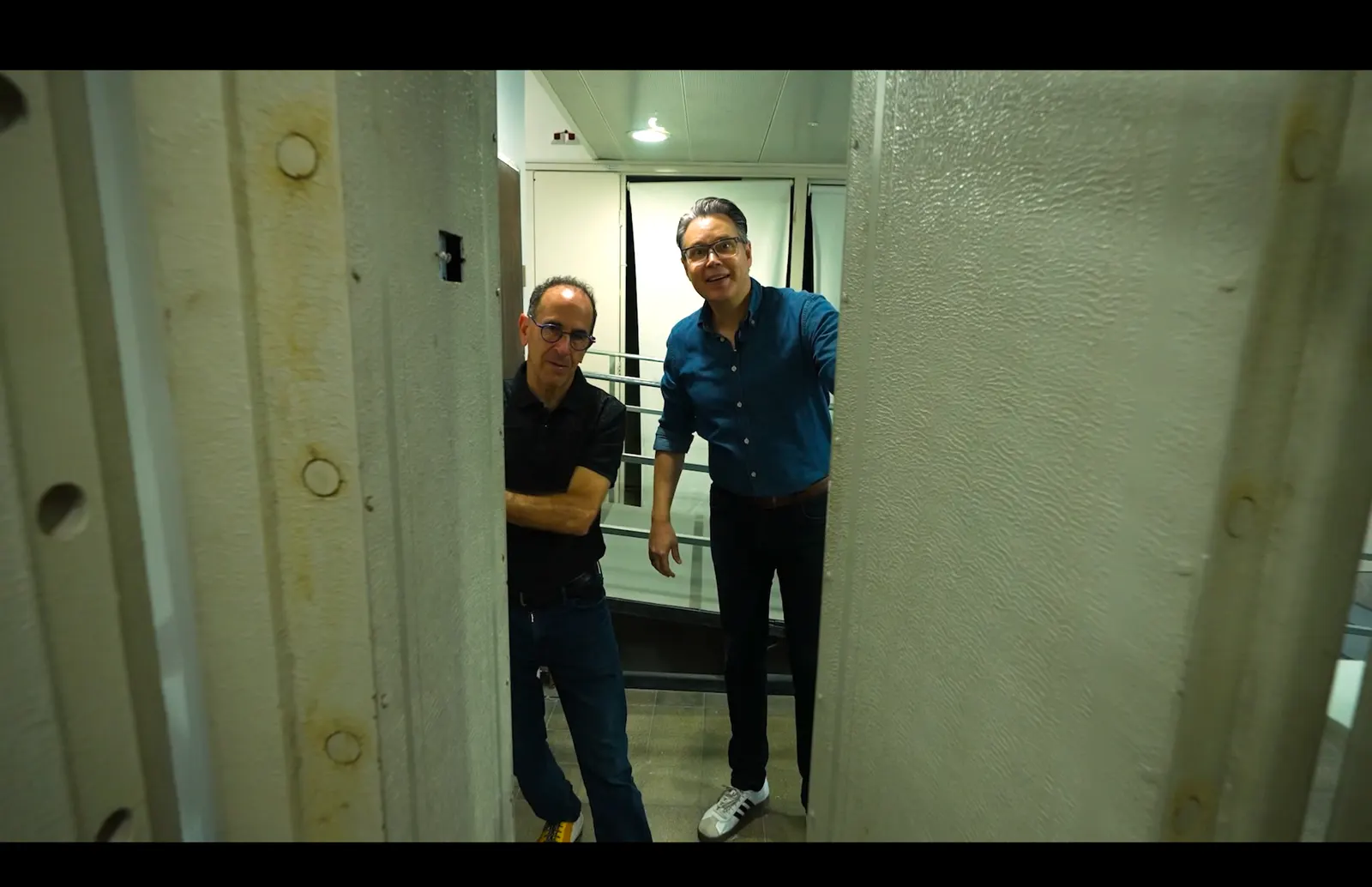
Inside the Israel Museum’s Vault, History Felt Close Enough to Touch
Inside the Israel Museum’s coin vault with Dr. Haim Gitler, where Bar Kokhba overstrikes, Tyrian shekels and ancient fakes brought history close enough to touch.
Stealing Israel's History: Chasing Antiquities Looters, and Why Charisma Picked Up the Story
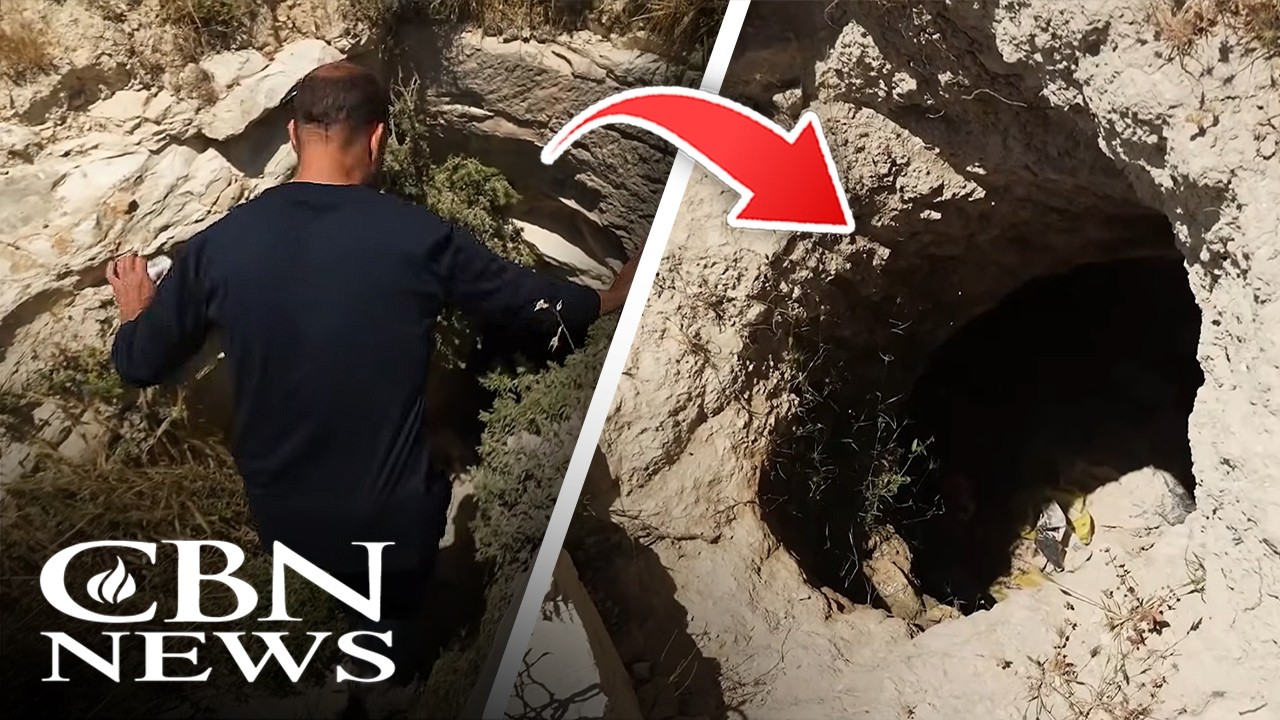
Almost every night, thieves dig for artifacts across Israel. I reported on the fight to stop them for CBN News, and Charisma Magazine shared the story with its readers.

A Voice From the Desert: The Great Isaiah Scroll and the Caves of Qumran
Standing before the Great Isaiah Scroll and hearing Dan Farkash describe his priestly connection to Qumran made these stories deeply personal for me.
More from Jerusalem
Stealing Israel's History: Chasing Antiquities Looters, and Why Charisma Picked Up the Story
A Voice From the Desert: The Great Isaiah Scroll and the Caves of Qumran
The Chocolate Challah That Stopped the Newsroom