Inside the Israel Museum’s Vault, History Felt Close Enough to Touch
Inside the Israel Museum’s coin vault with Dr. Haim Gitler, where Bar Kokhba overstrikes, Tyrian shekels and ancient fakes brought history close enough to touch.
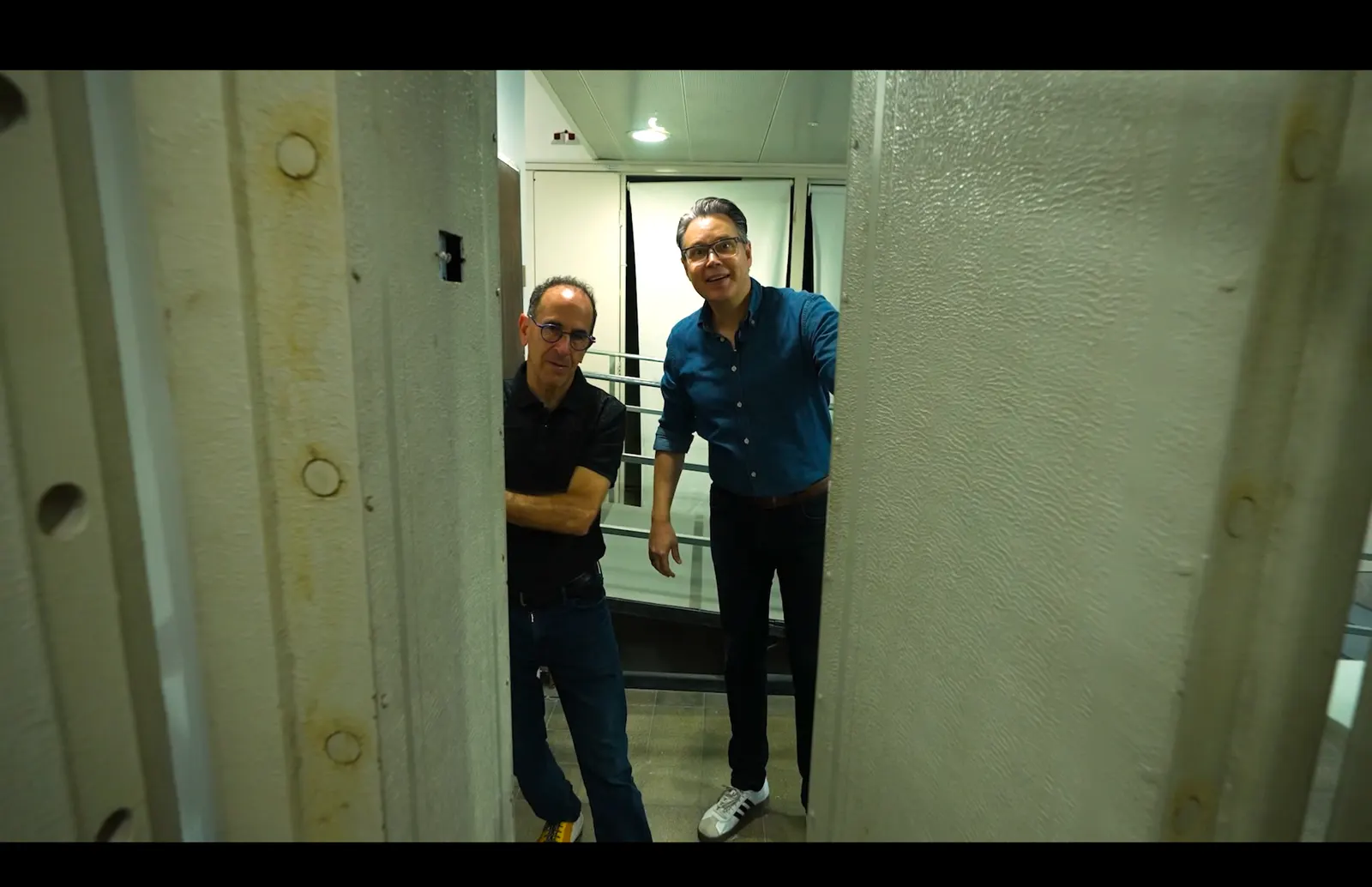
Some reporting assignments stay with you long after the story airs. For me, one of those began with a visit to the Israel Museum in Jerusalem and led, improbably, into a giant bank vault filled with ancient coins.
I had come to produce and report a story about what those coins reveal, and how experts distinguish authentic artifacts from convincing fakes. I expected to learn a great deal. I did not expect to leave feeling quite so overwhelmed by the privilege of being there.
Behind that vault door were treasures worth millions of dollars. But as Dr. Haim Gitler began opening drawers and explaining what we were seeing, their monetary value became almost beside the point. Here were fragments of lives, kingdoms, rebellions, and everyday transactions, preserved in pieces of metal small enough to disappear into a pocket.
And I had brought exactly the right person along: my wife, Rachael, who is an archaeologist.
She was enthralled. Getting to share the experience with her made an extraordinary assignment deeply personal. We were both fascinated, arriving at the same objects with different questions and a shared sense of wonder.
Beyond the Display Cases
The Israel Museum is one of those places where you can spend hours in the public galleries and still feel you have barely begun. To go behind the scenes at such a prestigious institution, entrusted with so much of Israel’s history, was a privilege in itself.
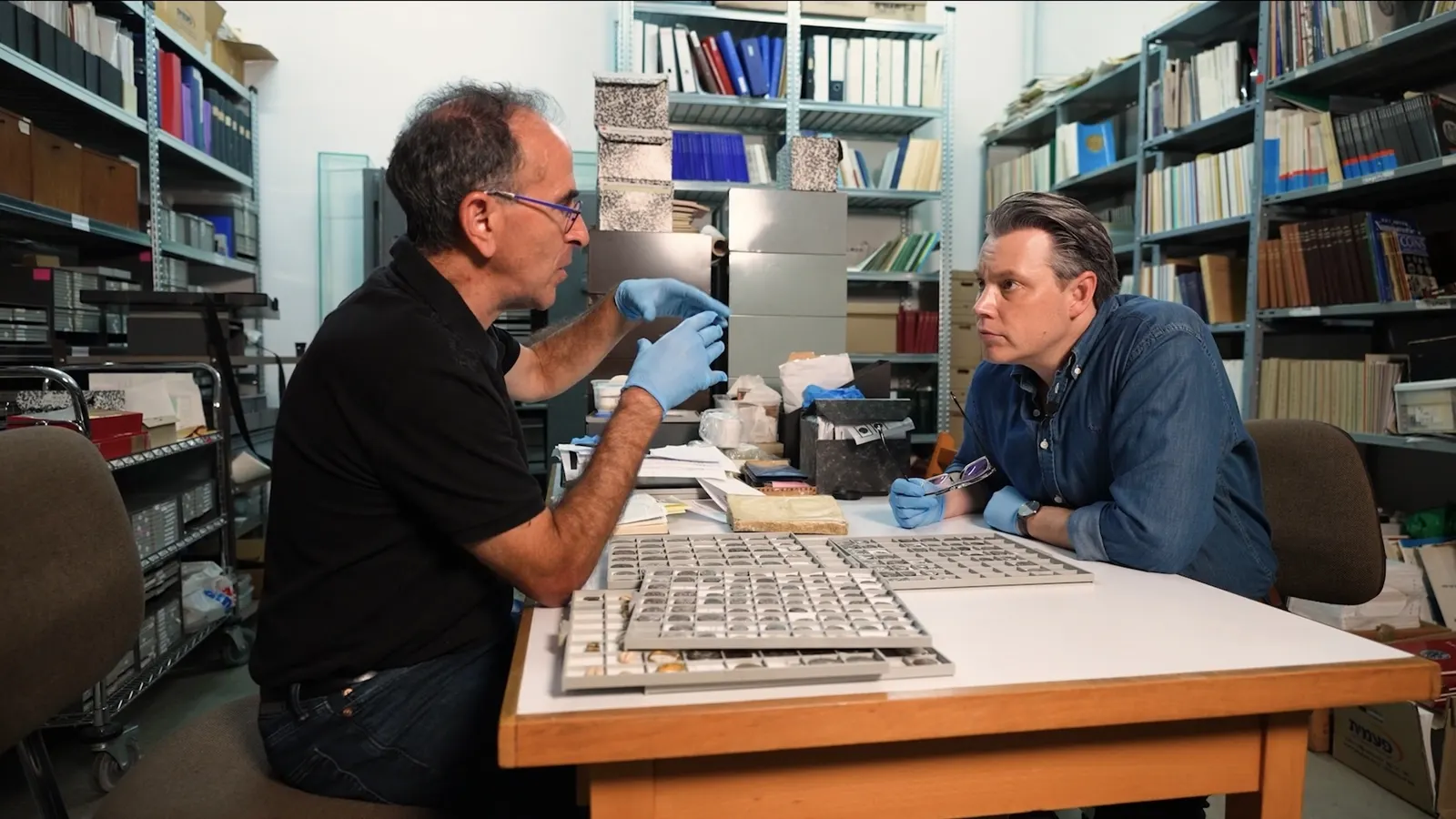
Visitors usually encounter the finished work: the carefully selected artifact, the lighting, the description beside the glass. This visit gave me a glimpse of the scholarship and care behind those displays. There are collections to study, objects to authenticate, and details to interpret before any of us reads a museum label.
Then came the vault.
It was a vault, an office, and a collection of roughly 45,000 numismatic items. Numismatics is the study of coins and related objects, a word I had to work a little harder to say than I would like to admit.
Dr. Gitler, who has spent nearly four decades studying the ancient world through its money, made that world feel immediately accessible. A drawer opened, a tray appeared, and suddenly we were talking about people who had lived centuries or millennia before us.
A Message Stamped in Metal
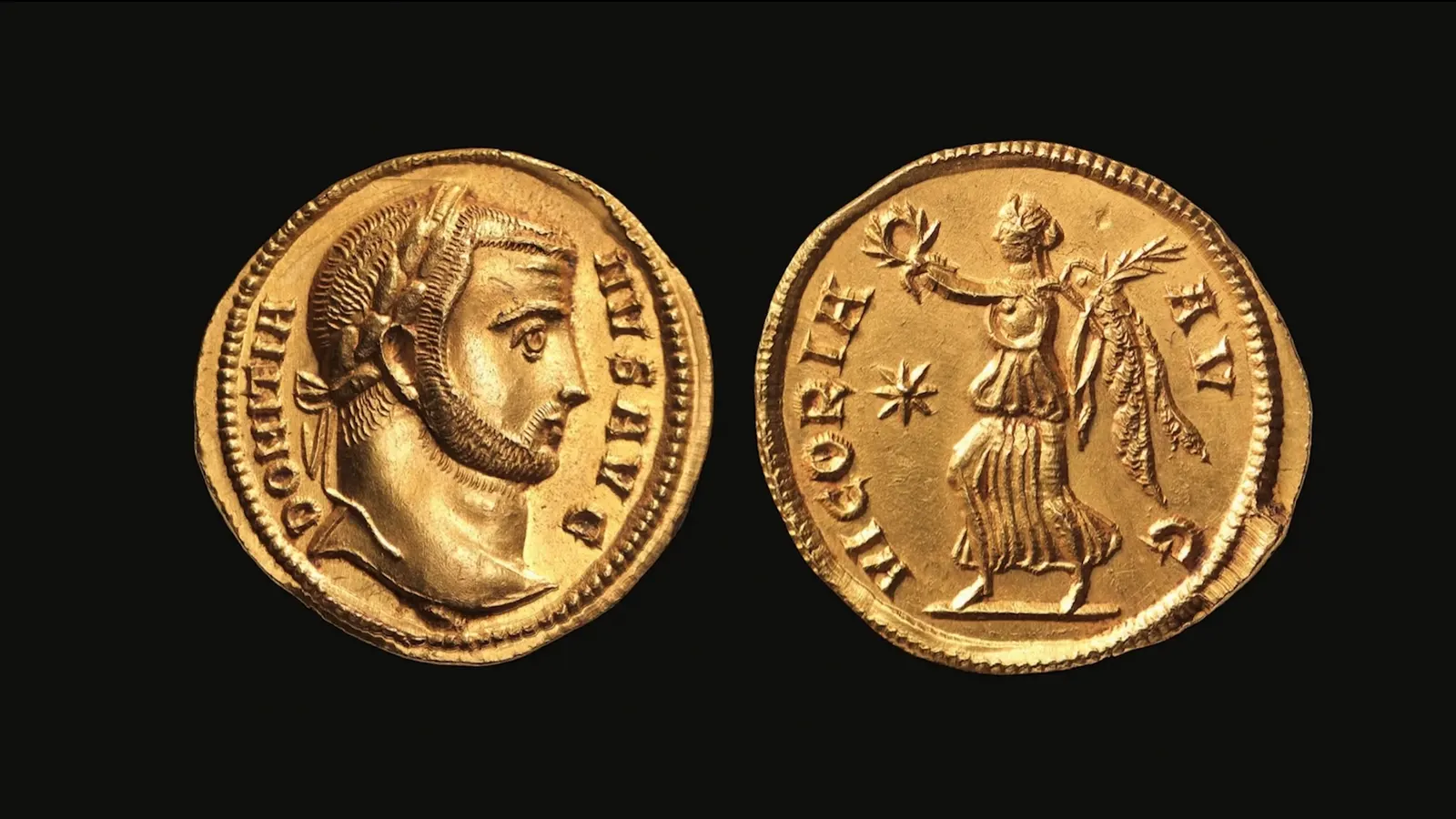
One of the most striking examples came from the Bar Kokhba Revolt against Rome. Jewish rebels took existing coins, often Roman ones, and stamped their own designs over them.
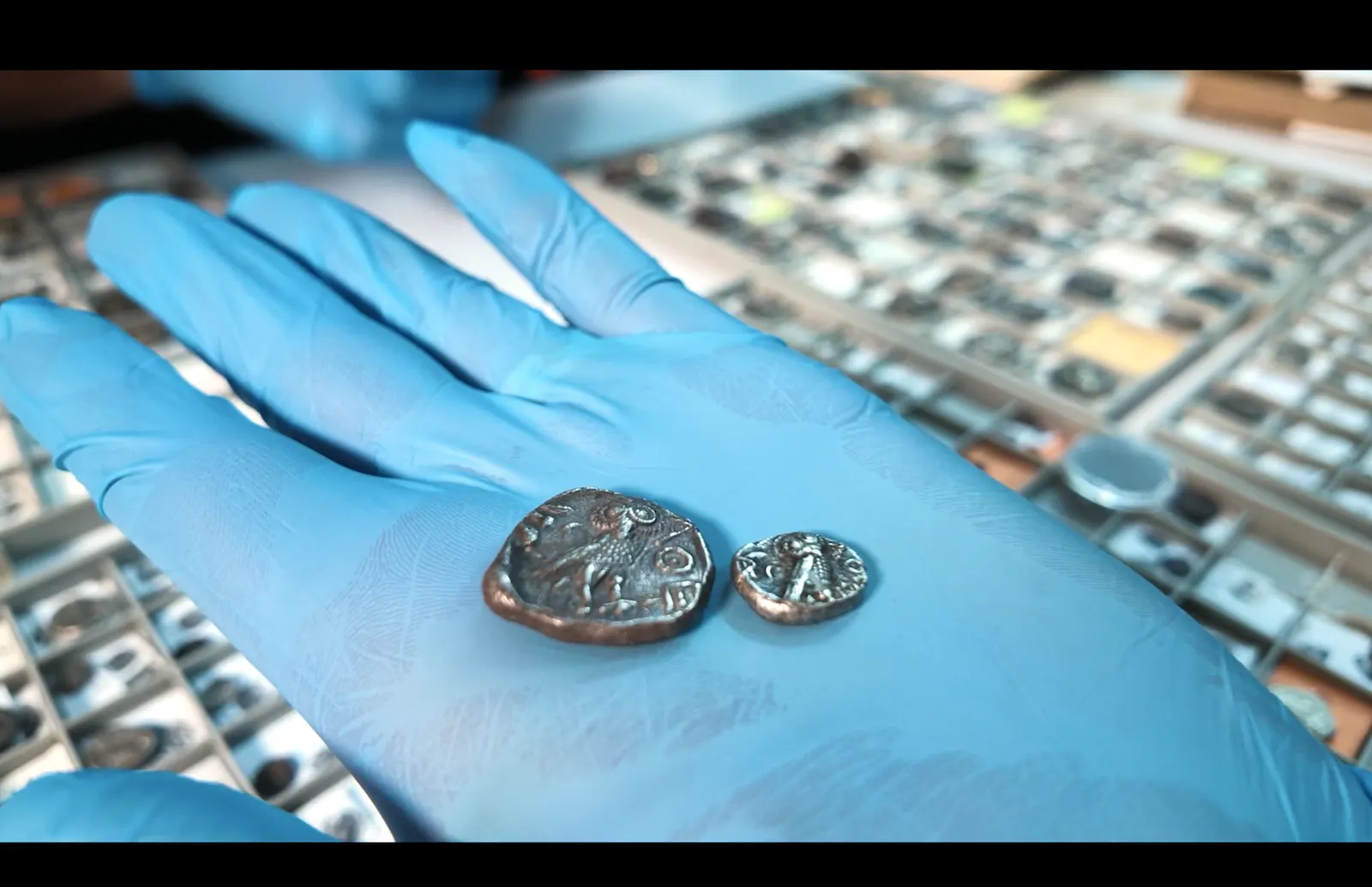
In some cases, traces of the original Roman image remained visible beneath the new design. You could see the struggle for sovereignty on the object itself.
“They’re fighting the Romans, but they also want to issue coins and they want to say we are an independent state,” Dr. Gitler explained.
That was the moment an ancient coin became much more than currency to me. Someone had chosen an image and a message. Someone wanted that message to circulate, to pass from hand to hand.
As a reporter, I found myself thinking about how familiar that impulse is. We work with cameras, microphones, and screens. They worked with metal.
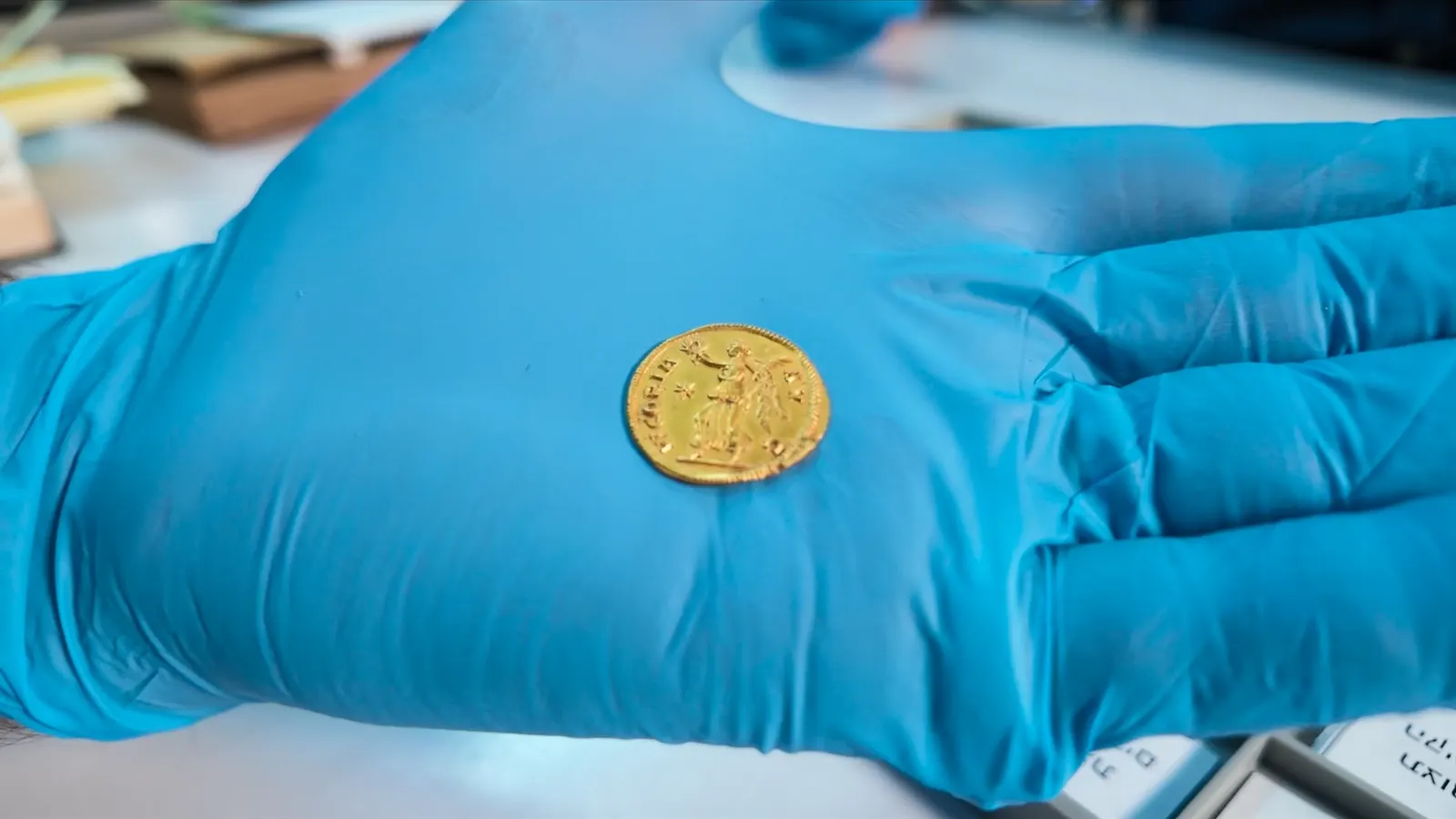
“Coins are like the newspaper, the television, the mass media of antiquity,” Dr. Gitler told me.
It was an explanation I could appreciate immediately.
Wonder, With Careful Questions
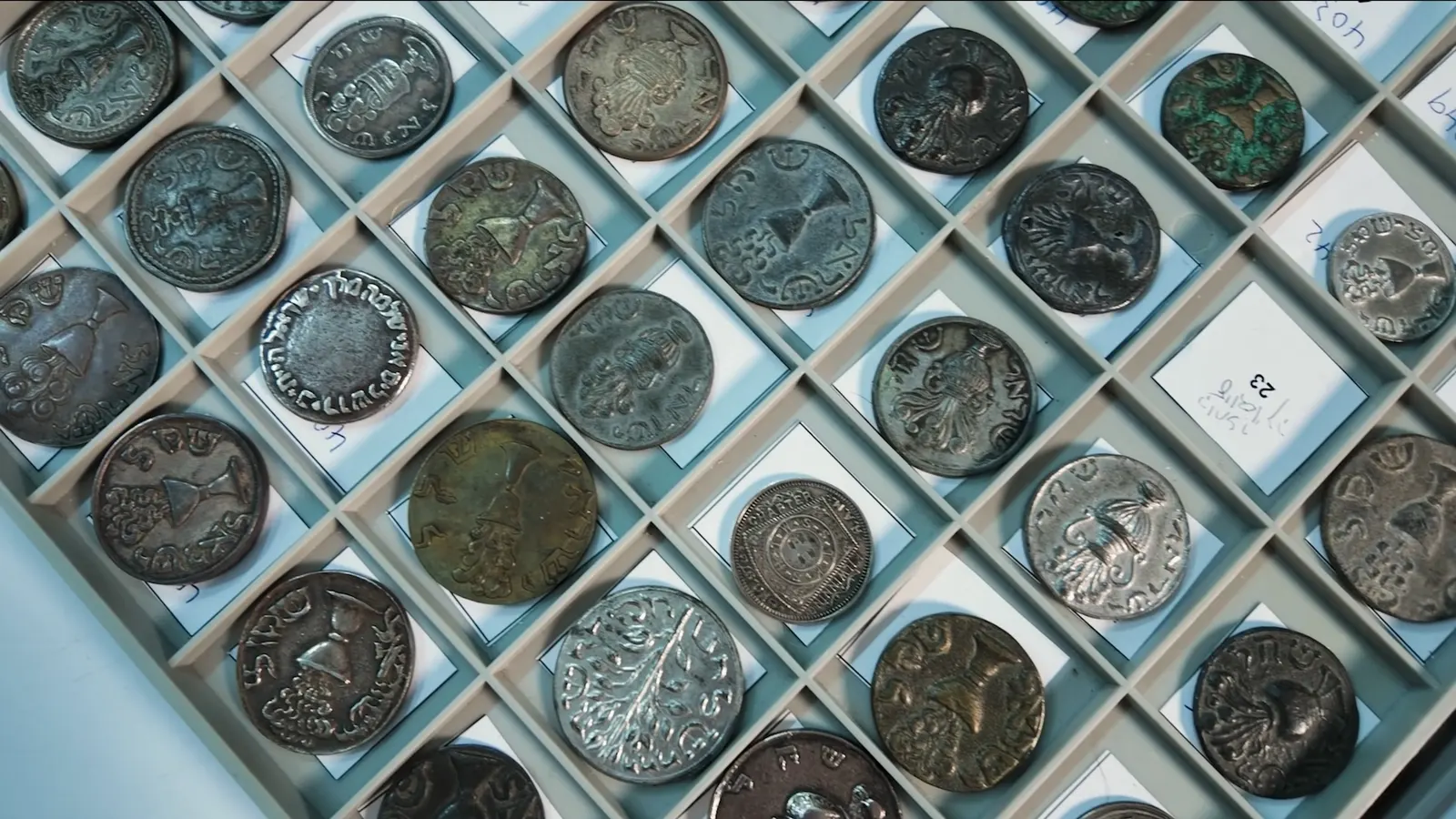
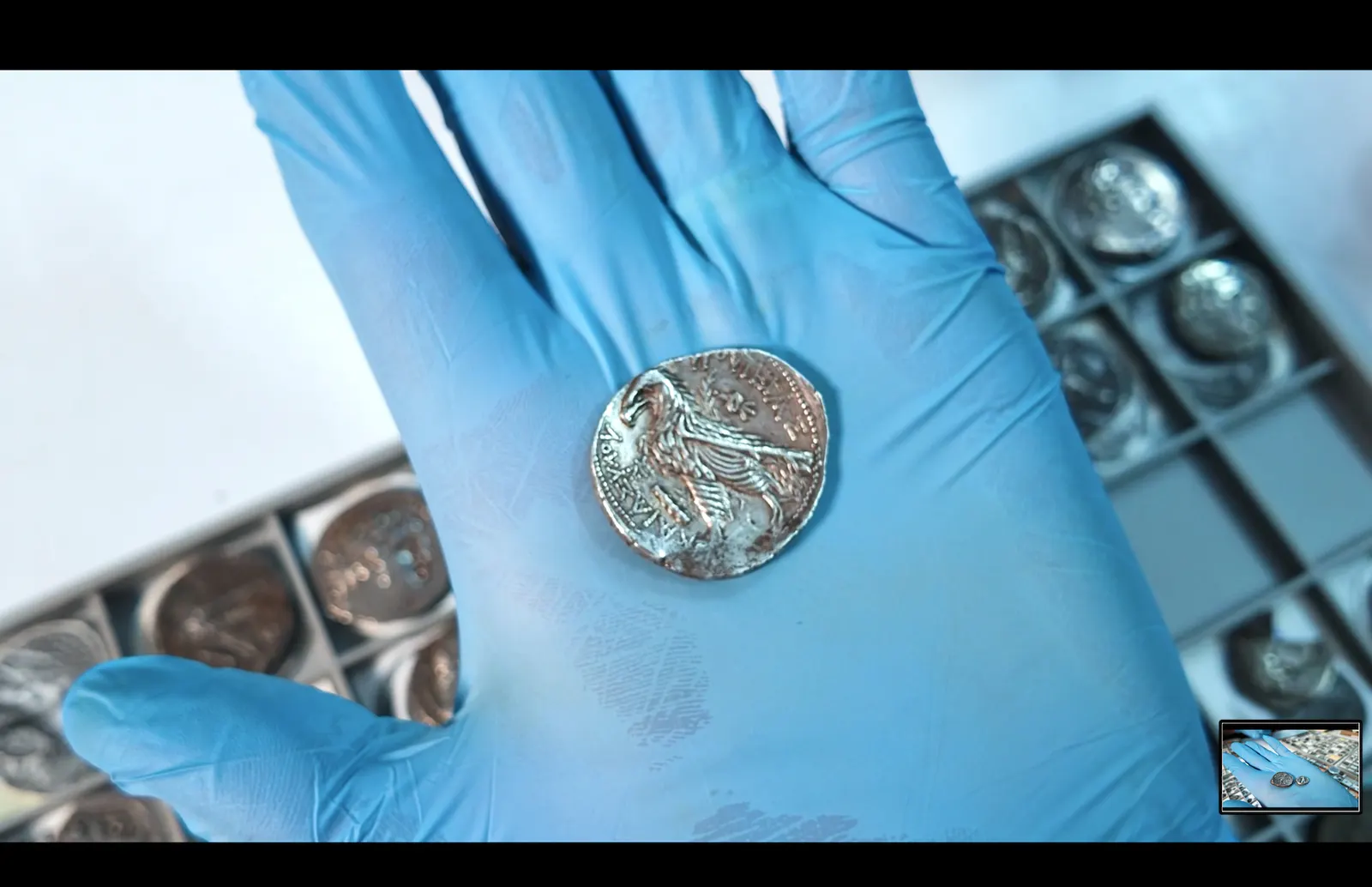
The collection also brought us into the world of the Bible, from weighed silver used before coins to the Tyrian shekels that circulated in Jerusalem centuries later. For someone who lives and reports in this land, those connections never become routine.
Yet part of what made the visit so compelling was Dr. Gitler’s insistence on understanding what an object actually is.
He showed us objects depicting biblical figures that might seem, at first glance, to come from their lifetimes. They were made much later. These so called fantasy coins tell us about the people who created them and their fascination with biblical history, rather than providing currency from the reign of Solomon.
Even ancient counterfeit coins had something to teach us. A silver surface could conceal a cheaper metal underneath. Small cuts could reveal whether the apparent treasure was what it claimed to be.
Producing this story meant finding a way to bring both the wonder and those careful distinctions to the screen. There was far more in those drawers, and in Dr. Gitler’s knowledge, than a single television report could contain.
A Keeper of Israel’s Memory
To me, Haim Gitler is a true hero of Israel. His work requires patience, expertise, and a devotion to details most of us would never know to notice. Those details help preserve the record of people whose voices might otherwise be lost.
I went to the museum to tell a story about ancient coins. I left grateful for the people who protect them, study them, and help the rest of us understand why they matter.
More than anything, I remember the privilege of standing there with my wife as another drawer opened and another piece of history came into view.
It was a once in a lifetime experience. I will never forget it.
Keep reading
Browse all writing →
Stealing Israel's History: Chasing Antiquities Looters, and Why Charisma Picked Up the Story
Almost every night, thieves dig for artifacts across Israel. I reported on the fight to stop them for CBN News, and Charisma Magazine shared the story with its readers.

A Voice From the Desert: The Great Isaiah Scroll and the Caves of Qumran
Standing before the Great Isaiah Scroll and hearing Dan Farkash describe his priestly connection to Qumran made these stories deeply personal for me.
A Tiny Menorah and a Very Long Memory
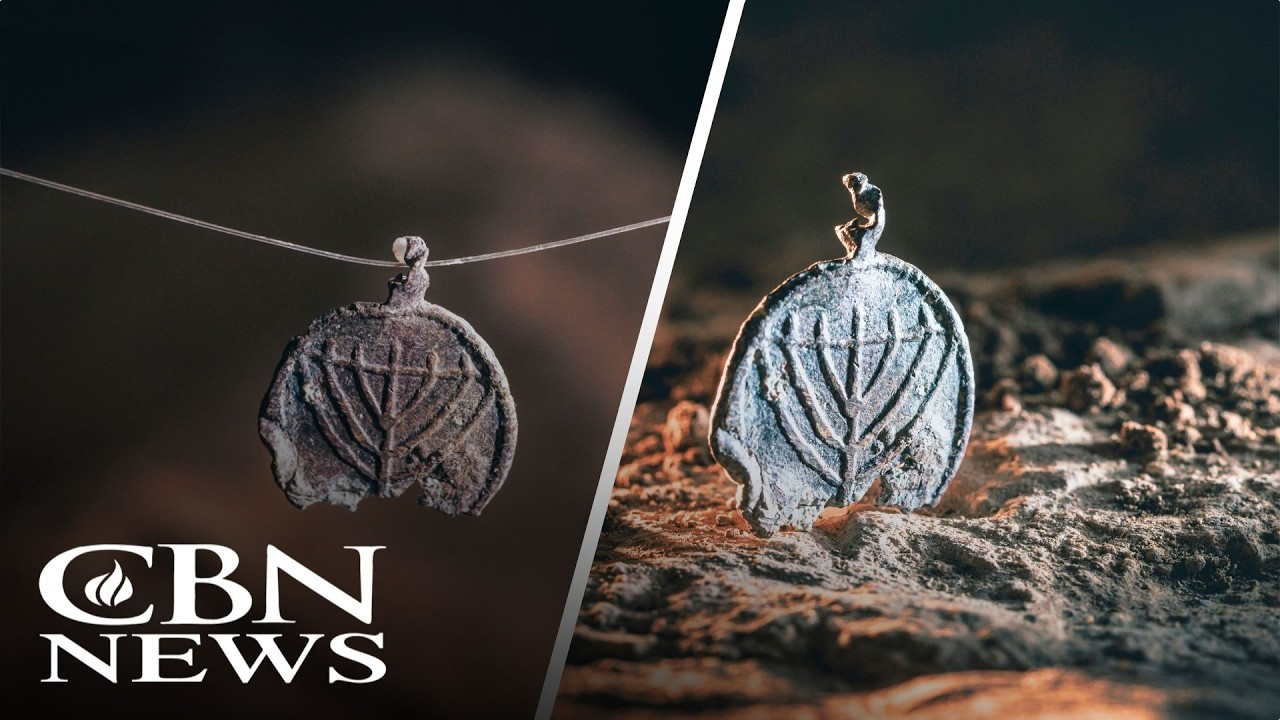
A 1,300 year old lead pendant found beneath the Temple Mount carries a menorah on both sides, and a story that outlasted empires.
More from Jerusalem
A Voice From the Desert: The Great Isaiah Scroll and the Caves of Qumran
A Tiny Menorah and a Very Long Memory
The Stones Still Speak: Beauty From Ashes at Bethsaida