U.S. and Israel Plan New Strikes on Iran as Tehran Threatens Massive Retaliation
I reported the top story from Jerusalem for CBN Newswatch, then joined Efrem Graham live to discuss Iran, Israel's election, and the deadly Hebron attack.
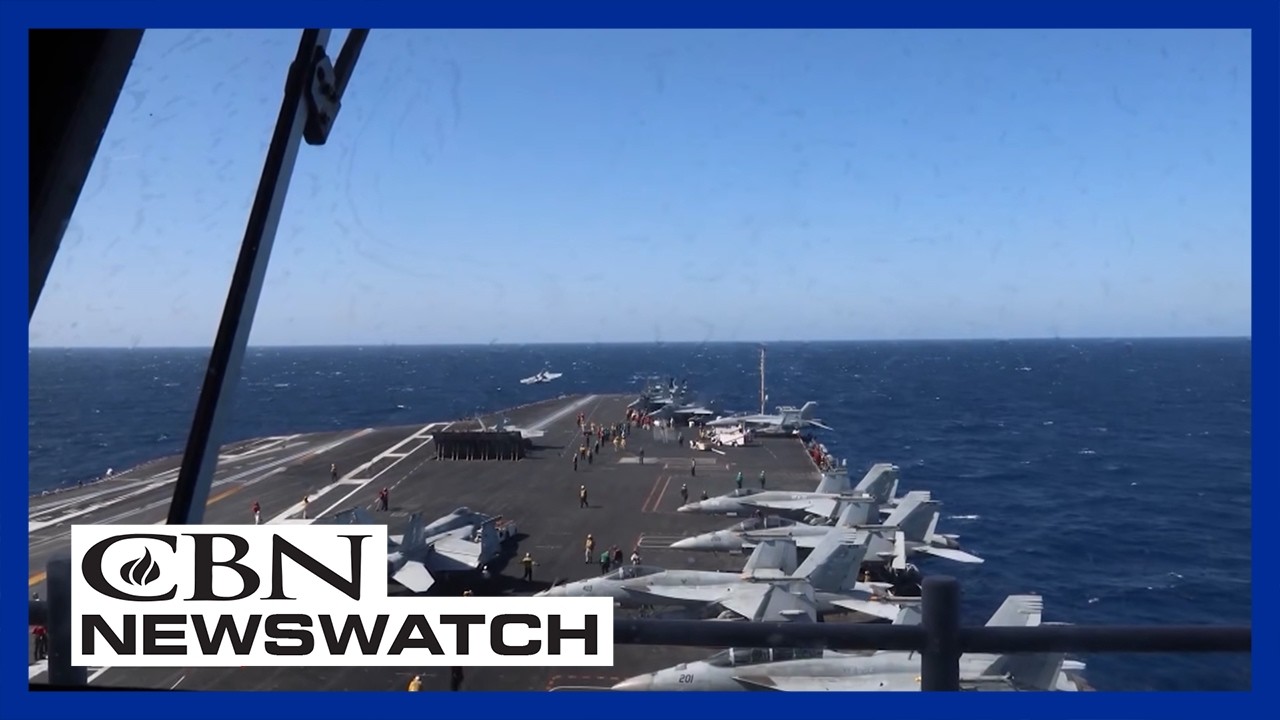
The United States and Israel have drawn up plans for a renewed, multi day campaign of strikes against Iran. Tehran is answering with threats against civilian targets across the Persian Gulf. And here in Israel, all of it is unfolding just days before one of the most consequential elections in the country's history.
On Friday, October 23, I reported that story from Jerusalem as the top of the show on CBN Newswatch, and then joined anchor Efrem Graham live to break down what it all means.
The Plan on the Table
Washington's frustration with Tehran's refusal to return to negotiations has reached a new level. A new campaign would target Iran's nuclear and missile programs, along with its energy infrastructure. But it won't come immediately. White House spokesperson Anna Kelly told ABC News, "The United States will not be attacking Iran at any time prior to the midterm elections."
Iran's warning in return is stark. According to The Wall Street Journal, Tehran has threatened, both publicly and in private diplomatic communications, to strike not only American bases and warships but airports, pipelines, and other civilian targets in neighboring Gulf countries. U.S. and regional officials believe Iran has resumed missile production using stockpiled components, and state television has been showing off an upgraded Arash drone said to carry a 220 pound warhead.
Prime Minister Benjamin Netanyahu has been clear about what he believes is at stake. Preventing Iran from gaining the means to destroy Israel, he says, has been the mission of his adult life.
An Election Cut Down the Middle
Efrem asked me how Israeli voters are receiving Netanyahu's claim that only he can finish the job against Iran. The honest answer is that it cuts right down the middle. Like the United States, Israel is a deeply divided country politically.
For Netanyahu's core supporters, stopping a nuclear Iran isn't just policy. It's an existential threat and a job that needs to be done, so why not now, while the U.S. military is in theater with three aircraft carrier groups surrounding Iran? There's a real belief here that only Netanyahu has the relationship capital with President Trump to pull it off, and his base, along with some moderates, agree with him. The opposition, led by former IDF chief Gadi Eisenkot, argues that Netanyahu is using national security to protect his political career. With new polling showing a dead heat, Tuesday here in Jerusalem is going to be a very long day.
Hebron and a Tipping Point
The same morning, two terrorists armed with an assault rifle and a handgun opened fire at the Yehuda Junction near Hebron, killing two soldiers and wounding others before soldiers took them down. The military launched a raid in Hebron, and Netanyahu ordered the city closed ahead of a full lockdown across the West Bank.
It felt like a tipping point. This attack didn't happen in a vacuum. It came right on the heels of the violence we've been reporting on Jerusalem Dateline, from the tragic murder of Netanel Shuqron to this week's brazen attack targeting Knesset candidate Fleur Hassan Nahoum. With Israelis heading to the polls, the lockdown is viewed across the country as self defense, a necessary move to prevent another tragedy.
And like clockwork, you can expect parts of the international press to erupt with accusations of apartheid and colonialism while ignoring the reality on the ground. This is a defensive clampdown, and it was forced by Palestinian terrorism targeting innocent people.
Coordination at an All Time High
Many here believe President Trump's wholehearted endorsement of Netanyahu reflects a military partnership that has been very successful and that will drive the next round against Iran. Coordination between Washington and the IDF is at an all time high. Joint battle plans are drawn, and Central Command and the IDF maintain direct communication around the clock. If Tehran strikes first, against U.S. warships, Israel, or Gulf allies, the response mechanism is locked and loaded, and it would not have to wait for Election Day in either country.
Can Israel's Defenses Hold?
Those drones are no joke, but Israel operates the most sophisticated multi tier air defense network in the world. Iron Dome has been protecting Israelis for two decades, and it recently received a major upgrade: Iron Beam, a laser. Yes, an actual laser, the kind Star Wars fans dream about. David's Sling handles medium range threats, and the Arrow system covers ballistic missiles.
The real danger isn't a single strike. It's saturation. If Iran launches swarms of drones synchronized with missile salvos, it could try to overwhelm air defenses, and that makes it a question of supply and interceptors. I believe Israel is ready, but this is a sobering season.
That Night on Jerusalem Dateline
That evening, Chris Mitchell and I took viewers to the front lines of this showdown on Jerusalem Dateline, examining Tehran's new warnings and possible civilian targets as Israelis head to the ballot box. You can catch every episode on the CBN News app and on YouTube.
Keep reading
Browse all writing →
Meeting the 'Settlers': Jewish Farmers, Body Cameras, and the Story the World Isn't Telling
I met the Jewish farmers the headlines call settlers and heard their stories firsthand. Now an American Christian is putting body cameras on shepherds to show the world what really happens in Judea and Samaria.

Tragedy, Resilience, and Hope: My Conversation With Rabbi Leo Dee
In Efrat, I met a father who lost his wife and two daughters to terrorism. His grief was sobering. His resilience, faith, and hope were deeply encouraging.
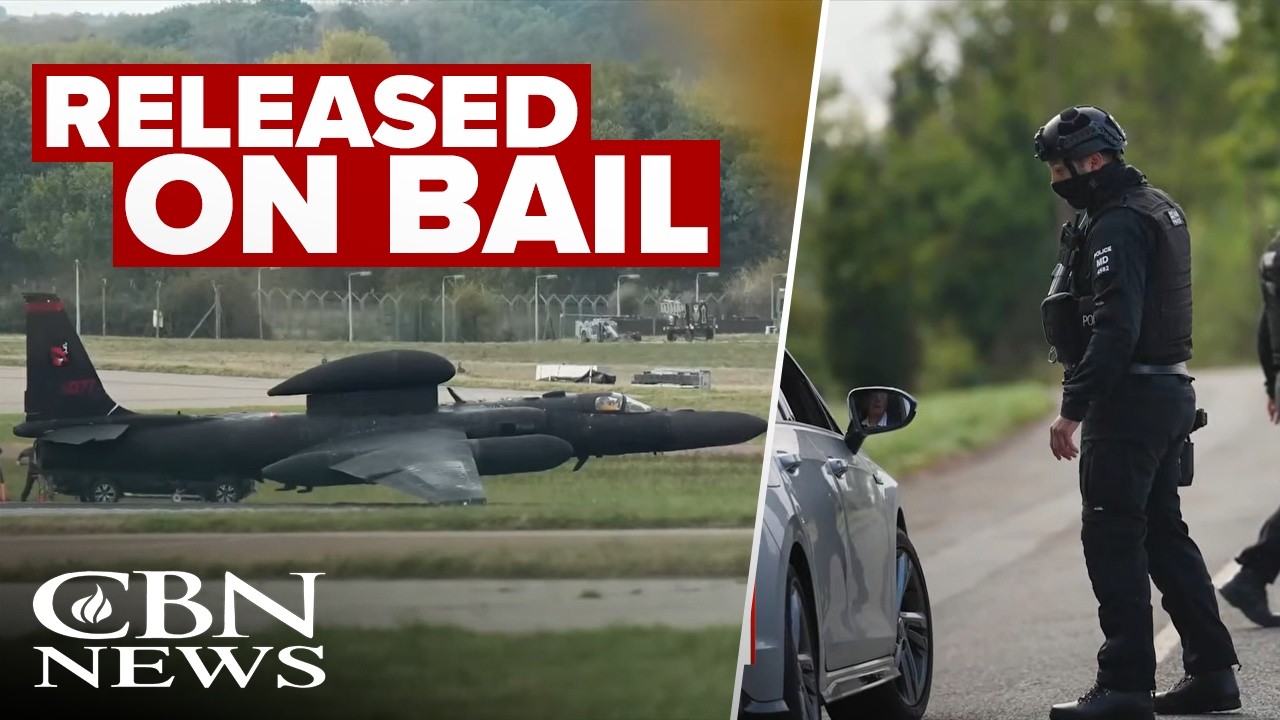
UK Terror Plot Suspects Out on Bail as Trump Denies Iran Offer
Five suspects arrested near a British air base used by American bombers are out on bail, drawing a sharp response from President Trump, as Washington and Tehran trade messages over a possible nuclear agreement. Aired on The 700 Club.
More from Jerusalem
Tragedy, Resilience, and Hope: My Conversation With Rabbi Leo Dee
UK Terror Plot Suspects Out on Bail as Trump Denies Iran Offer

Dead Jew, No News? A Yom Kippur Attack and the Stories the World Misses